At US $2.2 trillion, the annual cost of corrosion worldwide is over 3% of the world’s GDP. This figure reflects only the direct cost of corrosion essentially materials equipment, and services involved wit repairs, maintenance, and replacement. With proper corrosion protection, much of this damage is avoidable.
No method if corrosion protection is more effective than coating steel with zinc
Zinc coating protect steel by providing a physical barrier as well as cathodic protection for the underlying steel
The World Corrosion Organization estimates that approximately $400 billion can be saved by applying currently available corrosion control technologies like zinc coatings.
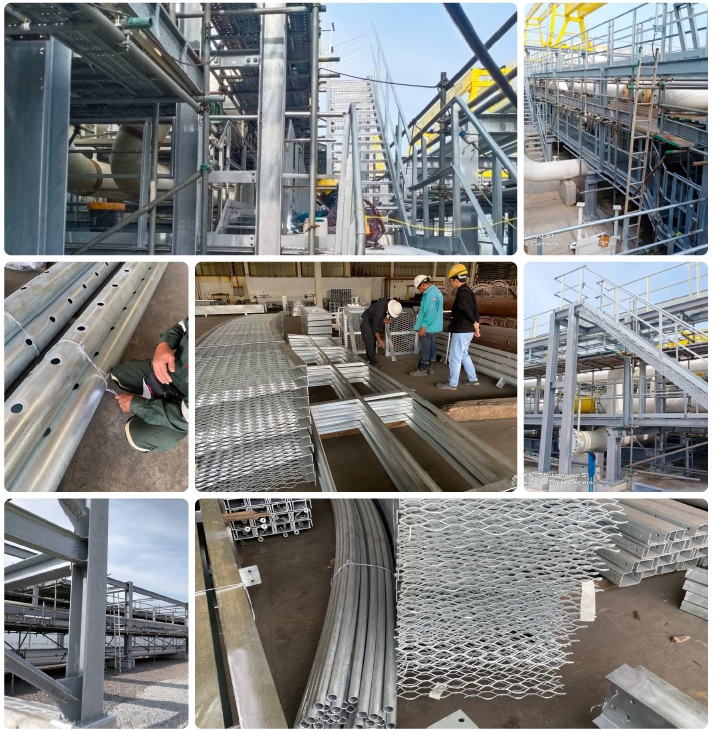
Galvanized Oil & Gas Platform
Structural steel is constantly subjected to harsh environments, such as excessive salinity, humidity, and airborne chlorides, on offshore and coastal oil and gas sites. These hostile conditions hasten corrosion, which can jeopardise security and result in expensive downtime. By creating a metallurgical link between zinc and steel, galvanizing offers cathodic and barrier protection. It greatly increases the longevity of platform structures such support frames, pipe racks, walkways, and handrails. In vital energy production facilities, galvanized steel lowers operating hazards and guarantees long-term structural integrity with less maintenance. Hot-dip galvanize & duplex coating for double protection for harsh environment.
Galvanized Roofing Structure
Steel roofing frameworks are constantly exposed to direct sunlight, rain, and temperature fluctuations. Without protection, these factors can cause steel to rust, weaken, and ultimately collapse. Galvanized steel is commonly used in roofing constructions due to its high resistance to air corrosion. It produces a long-lasting protective layer, shielding the steel from moisture and contaminants. This makes it suitable for residential, commercial, and industrial roofing applications. Additionally, galvanizing minimises long-term maintenance and improves structural durability, which is especially useful in places with high humidity or acidic rain.
Galvanized Railway / MRT Electric Traction Power
Electric traction systems in trains and MRT networks necessitate consistent electrical performance and structural integrity. Steel components including poles, brackets, and cable trays are subjected to vibrations, pollution, and changing weather conditions. Galvanizing protects these elements against corrosion, assuring their long-term functionality and safety. The zinc coating resists rust while retaining the conductivity and mechanical strength required for overhead contact systems. This decreases service delays and infrastructure repair costs while adhering to rail safety guidelines.
Galvanized Water Tank
Water tanks, whether for home, agricultural, or industrial use, are continuously in touch with moisture, rendering them prone to corrosion. Galvanizing is the primary procedure for protecting both the internal and external steel tank surfaces. The zinc coating is highly resistant to water and most natural substances, avoiding rust and increasing the tank’s service life. Specially designed galvanized coatings ensure that potable water meets health standards. Galvanizing ensures that water tanks stay structurally solid, leakfree, and hygienic over time, particularly in isolated or weather-exposed places.
Galvanized Lighting Pole
Lighting poles are situated outdoors where they are constantly exposed to rain, wind, and UV radiation. Unprotected steel deteriorates with time, jeopardising both safety and aesthetics. Galvanized lighting poles are frequently utilised due to their high corrosion resistance and ability to tolerate environmental stress. The zinc coating prevents oxidation and guarantees that the poles remain structurally sound and visually appealing for decades. Galvanized poles require little maintenance and are perfect for highways, city streets, parks, and industrial sites where durability and safety are critical.
Steel towers, transmission towers, and power supply structures in the telecommunications industry must operate reliably despite being exposed to a variety of weather conditions such as coastal air, acid rain, and strong winds. Galvanizing is essential in these applications because it creates a robust, conductive, and corrosion-resistant coating. It contributes to the structural integrity of towers, transmission lines, and power units while ensuring ongoing communication and power transmission services. Furthermore, the long lifespan of galvanised steel aligns with the low-maintenance requirements of remote or difficult-to-access installations, making it a cost-effective and dependable solution for network and utility providers.
Galvanized Power Station
Steel components at power stations include cable supports, walkways, enclosures and gearbox structures, all of which are subjected to thermal stress, chemical exposure and ambient dampness. Galvanizing these elements provides dependable corrosion resistance in both indoor and outdoor environments. It lowers the risk of structural failure and fires caused by rusted components. Furthermore, galvanized steel components are easier to examine and maintain, which improves the overall dependability and operational efficiency of power generation facilities throughout their lifespan.
Galvanized Solar Panel
Steel mounting structures are essential to solar energy systems because they hold and align solar panels with the sun. The severe weather that these mounts are subjected to includes wind, rain, UV rays, and temperature swings. Throughout the 20–30 year lifespan of the solar panel, galvanized steel guarantees that these supports will not corrode and will remain structurally strong. By reducing maintenance requirements and maintaining alignment accuracy for ideal energy generation, it provides long-term savings. Galvanizing is the most economical and feasible protection method for rooftop installations or remote solar farms. Any welding, fabrication or repairing area need to paint with cold galvanize paint / zinc rich paint to protect the steel.
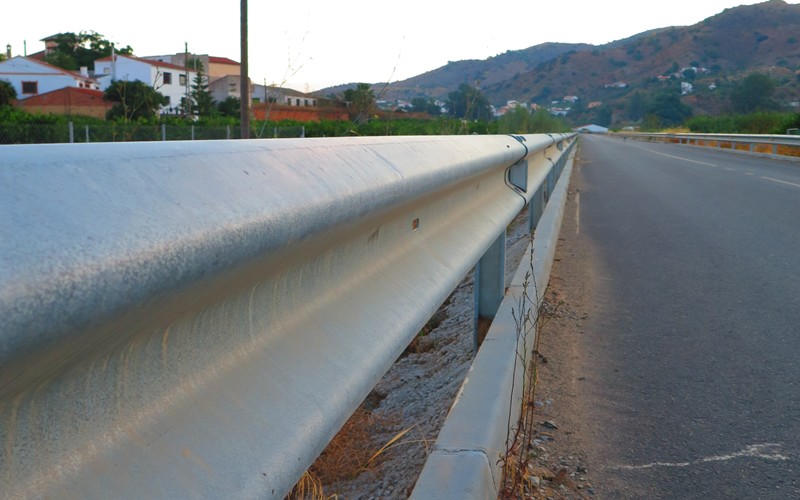
Galvanized Guard Rail
Guard rails are critical safety components along roads, bridges, and highways, designed to protect motorists and pedestrians by absorbing impact energy during accidents. Because they are exposed to rain, vehicle splash, de-icing salts, and mechanical wear, corrosion can quickly compromise their effectiveness. Hot Dip Galvanized guard rails provide consistent and robust corrosion protection, maintaining their mechanical performance and visual visibility over years of exposure. Galvanizing also ensures quick installation and long maintenance intervals, contributing to road safety and reducing government or contractor maintenance costs.
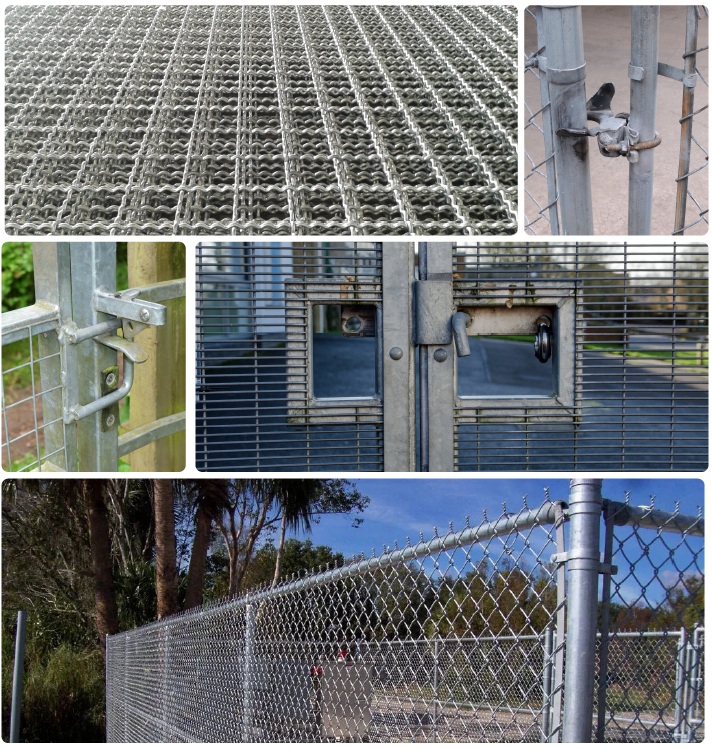
Galvanized Fencing Gate
Fencing gates, whether used for security, containment, or access control, must endure environmental exposure and frequent handling. Steel gates are particularly vulnerable to corrosion at welds, hinges, and joints. Galvanizing protects the entire surface, including complex shapes and inner sections, with a uniform zinc layer. This ensures the gate remains rust-free, functional, and visually intact for years. Galvanized fencing is preferred in residential, agricultural, and industrial settings for its balance of strength, appearance, and low maintenance even in coastal or high-humidity areas.
Galvanized Bolts & Nuts
For bolts and nuts, hot-dip galvanizing is a popular corrosion prevention technique that guarantees long-term performance and durability in challenging conditions. By submerging fully constructed fasteners in molten zinc, a metallurgically bonded covering that offers cathodic and barrier protection is created. Standards like ASTM A153/A153M and ISO 1461 specify particular specifications for threaded fasteners in order to guarantee its protective and functional integrity. To ensure correct fit and assembly, interior threads are usually tapped after coating, whereas external threads are often galvanised.
Galvanized Architecture
Hot-dip galvanizing is also widely used in architectural applications, providing both corrosion protection and an attractive, durable finish for structural and decorative steel elements.
For architects, understanding the role of galvanizing is essential when designing street furniture and outdoor structures. Hot-dip galvanizing provides a durable, low-maintenance coating that extends the life of steel components and preserves their appearance.
Galvanized Data Centre Structure
Galvanizing provides long lasting protection for data centre structures, ensuring durability, reliability, and reduced maintenance costs. By safeguarding against corrosion, hot-dip galvanizing extends the service life of mission on critical infrastructure, enabling data centres to maintain continuous uptime and operational efficiency. Built to last, galvanized steel is the smart choice for a sustainable and resilient data centre future. A wide range of structural and support components can be hot-dip galvanized, including the main steel framework such as beams, columns, and trusses, as well as roof structures, flooring systems, and exterior elements like staircases, handrails, racks, and walkways. By applying galvanizing across these key areas, data centres gain enhanced protection, longer service life, and greater confidence in the performance of their infrastructure.
Galvanized Rebar
Hot-dip galvanizing rebar involves immersing the steel in molten zinc for several minutes, producing a coating composed of multiple iron–zinc alloy layers topped by a layer of pure zinc. This unique coating structure provides several advantages over other protection systems. Because galvanized coatings are metallurgically bonded to the underlying steel, the bond strength of galvanized rebar to concrete is equal to or greater than that of uncoated rebar. As a result, the same reinforced-concrete design specifications—such as bar size, lap lengths, and other details—can be used for galvanized rebar just as they are for unprotected bare rebar.
Hot Dip Galvanized Reinforcing Steel Bars
Hot Dip Galvanized Reinforcing Steel Bars
Even if concrete gas adequate quality, corrosive substance penetrate concrete over time and get to the reinforcing. Corrosion protection for reinforcing is needed to extend the service life of the concrete structure.
Concrete Quality
Concrete Mix – Concrete permeability is influenced by the bond between aggregates and cement, the water–cement ratio, and the size grading of the aggregate.
Compaction – Adequate and controlled compaction improves concrete quality and reduces its permeability.
Curing – Site curing conditions and procedures significantly affect concrete permeability and the ultimate strength achieved.
Cover Depth – The depth of cover over embedded reinforcement is a major factor. Although primarily a design consideration, the final cover is often dictated or limited by practical conditions during actual placement or pouring of the concrete.
Standard for Galvanized Rebar
Why Choose Galvanized Rebar
Superior Corrosion Protection
Unlike painting and epoxy which are solely barrier-type coating, galvanizing provides both barrier and sacrificial protection to the underlying steel.
History of Performance
Zinc coated steel has been used in concrete as far back as 1908 and found regular as in reinforcing material in 1930s.
Unparalleled Bond Strength
Galvanized reinforcement in concrete has much better bond (or pull-out) strength than either black or epoxy coated reinforcement.
Exceptional Life Cycle Cost
When the cost and consequences of corrosion damage to a reinforced concrete structure are analyzed, the extra cost of galvanizing is a very small investment.
No Special Handling
There are no special requirements for the design of galvanized reinforced concrete beyond that which apply to conventional reinforced concrete.
Beauty that Lasts
Galvanized reinforcement ensures a clean appearance of finished concrete by preventing cracking and rust staining, providing lasting beauty for iconic public works.
Corrosion of Black (Uncoated Rebar)
Galvanized Scaffold Folding Frames
Hot-dip galvanizing rebar involves immersing the steel in molten zinc for several minutes, producing a coating composed of multiple iron–zinc alloy layers topped by a layer of pure zinc. This unique coating structure provides several advantages over other protection systems. Because galvanized coatings are metallurgically bonded to the underlying steel, the bond strength of galvanized rebar to concrete is equal to or greater than that of uncoated rebar. As a result, the same reinforced-concrete design specifications—such as bar size, lap lengths, and other details—can be used for galvanized rebar just as they are for unprotected bare rebar. Scaffolding is frequently subjected to rough handling being stacked, transported, dropped, or struck by tools. Hot Dip galvanizing provides a metallurgically bonded zinc iron layer that is durable, resists scratches, abrasion, and impact. Even when the surface is scraped, surrounding zinc continues to protect exposed areas through a sacrificial effect, preventing rapid rust formation.